

HDPE vs. PP vs. PET vs. PS: Understanding the Differences in Plastic Packaging
Posted by Melissa Liedtke on May 14, 2026

Choosing the right plastic for your packaging isn’t just about cost—it directly impacts product safety, shelf life, appearance, and performance. Some of the most common materials used in bottles and jars are HDPE, PP, PET, and PS. While they may look similar at a glance, each material has distinct properties that make it better suited for specific applications.
What Do HDPE, PP, PET, and PS Stand For?
HDPE (High-Density Polyethylene), PP (Polypropylene), PET (Polyethylene Terephthalate), and PS (Polystyrene) are all thermoplastics, meaning they can be molded and reshaped with heat. Each material has a different chemical structure, which affects its strength, clarity, flexibility, temperature resistance, and compatibility with various products and applications.
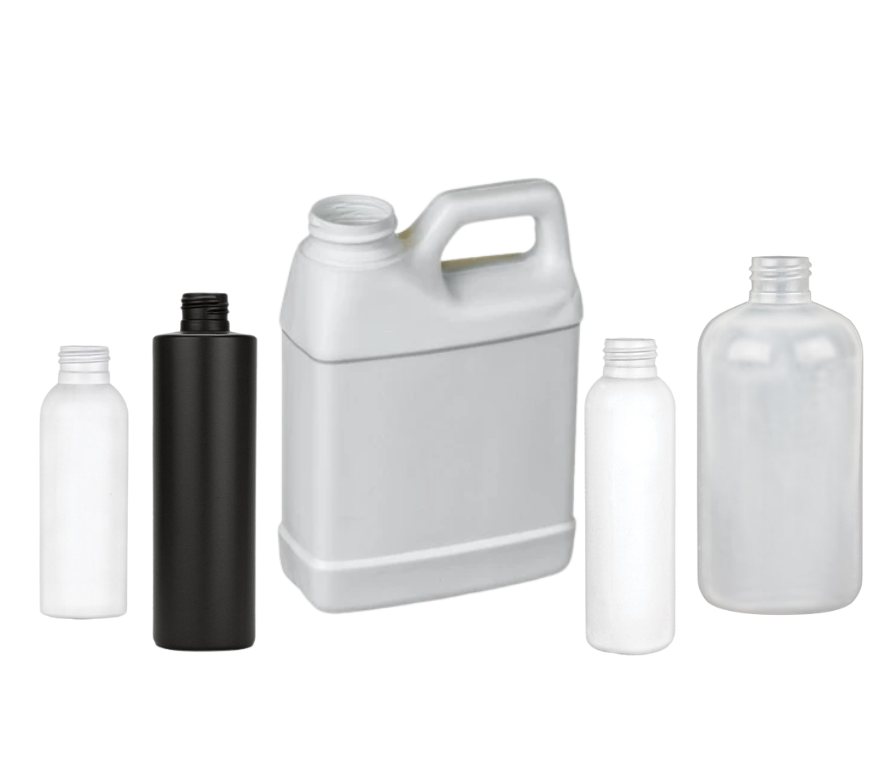
HDPE: Durable Chemical-Resistant PackagingHDPE is a durable and versatile plastic known for its excellent chemical resistance, impact strength, and lightweight design. It is commonly used for packaging products that require durability and compatibility with a wide range of chemicals and liquids. HDPE bottles are often slightly flexible and provide good moisture resistance, making them a reliable option for industrial, household, and personal care applications. Common industries that use HDPE packaging:
|
 |
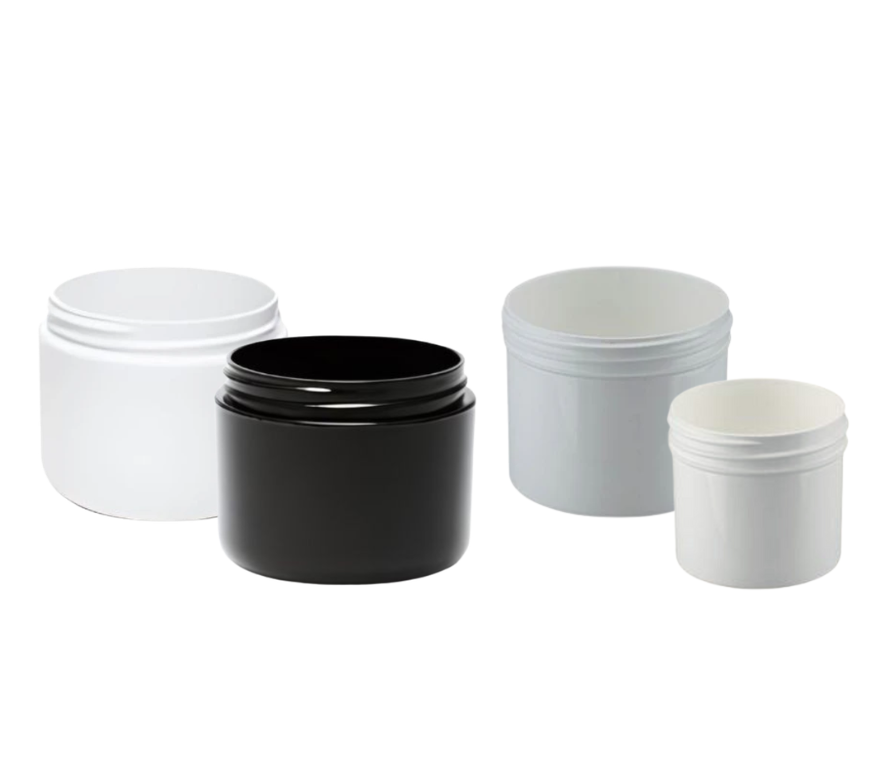
PP: High Heat BPA-Free PlasticPP is a rigid plastic material valued for its high heat resistance, durability, and strong chemical compatibility. It performs well in applications involving elevated temperatures and repeated use, making it a popular choice for closures, jars, laboratory containers, and packaging that may require sterilization. Polypropylene also offers excellent fatigue resistance, which helps components maintain performance over time. Common industries that use PP packaging:
|
 |
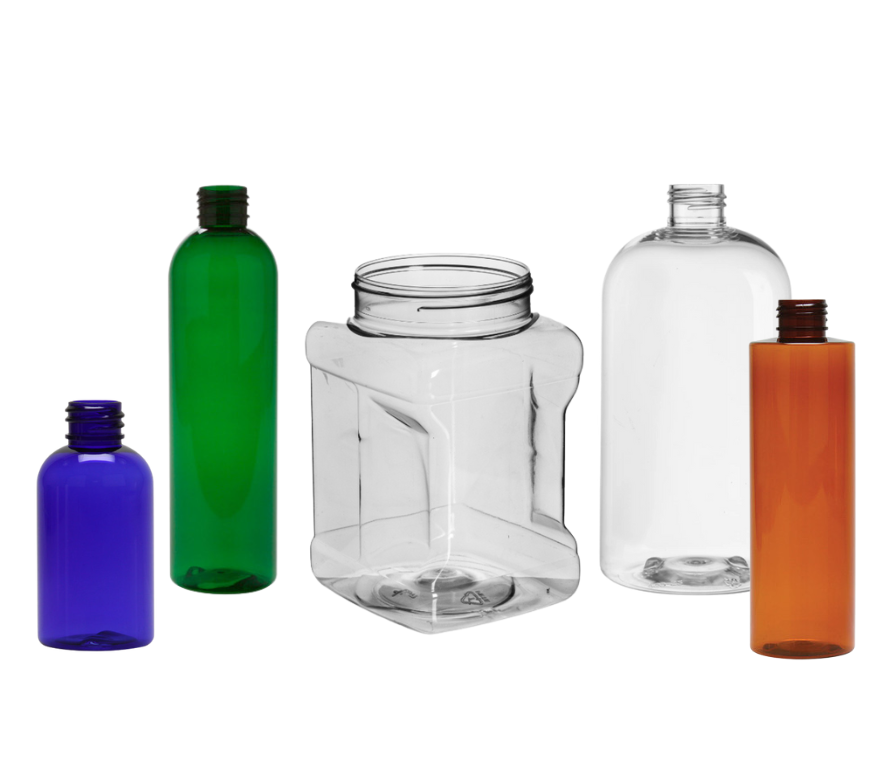
PET: Lightweight Retail PackagingPET is a clear, lightweight plastic known for its strong appearance and excellent product visibility. It offers good impact resistance and is commonly chosen for retail packaging where presentation is important. PET containers are widely used for products that benefit from excellent clarity, strong shelf appeal, and lightweight durability. Common industries that use PET packaging:
|
 |
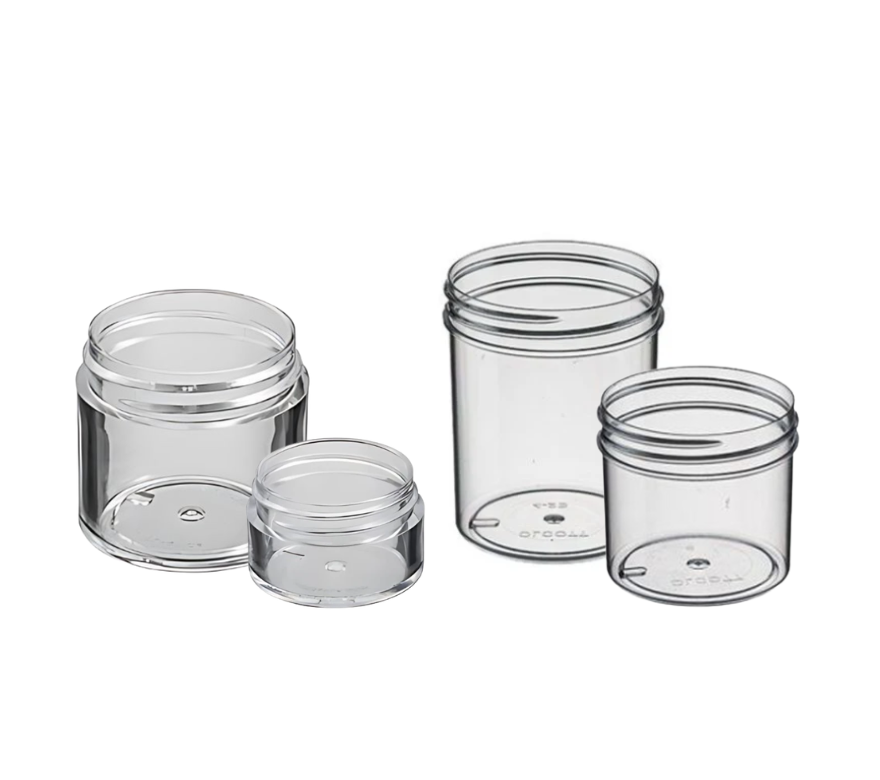
PS: Clear Rigid Lightweight PlasticPolystyrene (PS) is a lightweight plastic material commonly used for clear containers, jars, and specialty packaging applications. It offers excellent clarity and a rigid structure, making it a popular choice for products that benefit from strong product visibility and an attractive presentation. PS is often used for dry products and lighter-duty packaging applications where appearance is important. Common industries that use PS packaging:
|
 |
Key Differences That Impact Your Packaging Choice
The biggest differences between HDPE, PP, PET, and PS come down to durability, clarity, temperature resistance, and overall product presentation. Each material offers unique advantages depending on the application and the type of product being packaged.
HDPE is known for its strength, impact resistance, and chemical compatibility, making it a reliable choice for products that require durability and protection. PP performs especially well in high-heat applications and is commonly used for closures, containers, and packaging that may experience repeated use. PET is valued for its clear appearance and lightweight design, making it ideal for retail products where shelf appeal and product visibility are important. PS also offers excellent clarity and a rigid feel, often used for lightweight packaging and specialty containers where presentation matters most.
If visibility and a premium appearance are the priority, PET and PS are both strong options. For products requiring greater durability or chemical resistance, HDPE is often preferred. When heat resistance and long-term performance are critical, PP is typically the best fit.
Common Questions About HDPE, PP, PET, and PS
Is one material safer than the others?
HDPE, PP, PET, and PS are all widely used packaging materials manufactured to industry standards for a variety of applications. Each material is commonly found in food, personal care, laboratory, and industrial packaging depending on the product requirements and intended use.
Can these plastics be recycled?
Yes, HDPE, PP, PET, and many PS products can be recycled, although recycling availability varies by location and local recycling programs. PET and HDPE are among the most commonly accepted plastics, while PP and PS recycling capabilities may depend on regional facilities.
Which plastic offers the best product visibility?
PET and PS are both excellent choices for clear packaging applications. PET provides a premium, glass-like appearance with strong durability, while PS offers high clarity and a rigid feel for lightweight packaging and display-focused products.
Which material has the best chemical resistance?
HDPE and PP are generally known for strong chemical resistance and are commonly used for products that require added durability and compatibility with various formulations. The best material ultimately depends on the specific product being packaged and its storage requirements.
There’s no one-size-fits-all solution when choosing plastic packaging. HDPE, PP, PET, and PS each offer different benefits depending on the application, product compatibility, durability requirements, and desired appearance. Understanding the strengths of each material can help you select packaging that supports product protection, functionality, and overall presentation.
If you still need help selecting the right packaging material, contact our product experts for assistance finding the best option for your application.